High Masking Autism in Women: Why We're All Secretly Oscar-Winning Actors
#TalkNerdyToMe® Staff Writer
… and we’re EXHAUSTED by it.
High Masking Autism in Women: The Art of Looking “Fine” While Running on 3% Battery
High masking autism in women is basically the ultimate social performance art. Many autistic women become exceptionally good at appearing neurotypical—so good, in fact, that nobody notices anything is different… including doctors.

This article unpacks what high masking autism actually looks like, why it’s so exhausting, and why so many women don’t get diagnosed until adulthood (or after a TikTok rabbit hole at 2 a.m.). We’ll also talk about unmasking—not in a “burn down your life and move to a cabin” way, but in a realistic, gentle, you’re allowed to exist as yourself way.
High masking can look like a lot of things … we all know the “types” … the “high-functioning friend,” the overachiever, the social chameleon who somehow nails eye contact, jokes, and small talk while mentally running an analysis of every play like a mute sportscaster.
To everyone else, it can look like confidence and competence. But to those experiencing it, it often feels like performing in a never-ending improv show where the stakes are social survival. Understanding, and not judging this gap between appearance and experience is the key. Just because we say we’re “fine” - doesn’t actually mean that’s the case.
Signs of High Masking Autism in Women (AKA: The Social Olympics)
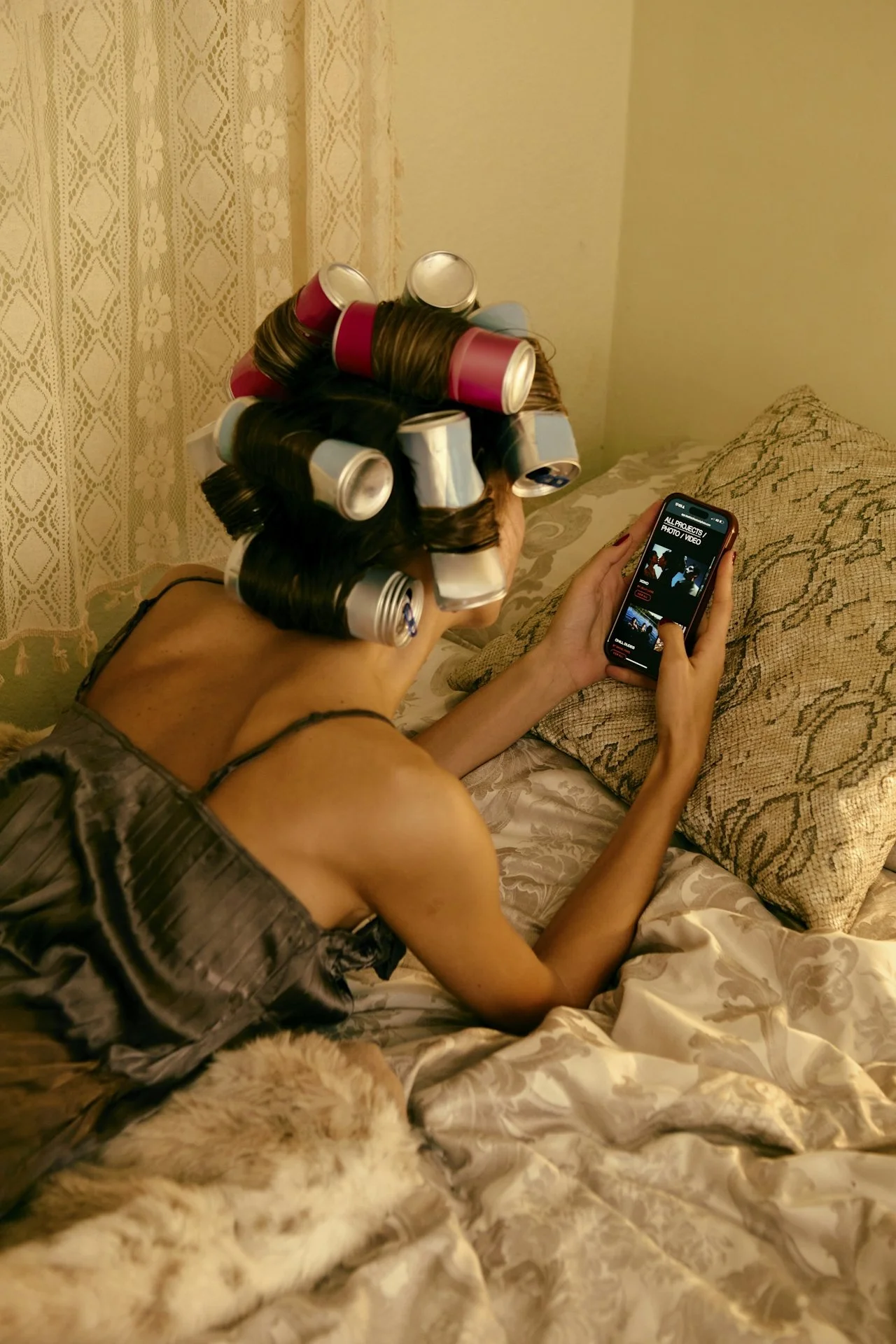
High masking autism often means learning a whole library of social scripts, facial expressions, and conversational rhythms—like you’re running an internal acting workshop 24/7.
Common signs include:
Social mimicry: Copying how other people talk, laugh, and react so you blend in seamlessly.
Emotional editing: Feeling everything deeply but showing only the “socially acceptable” version.
Exhaustion after socializing: Because being “on” all the time is a full-time job with zero PTO.
Recognizing these patterns can be the first step to realizing: You’re not broken. You’re just tired of performing.
High masking can also show up as hyper-awareness of social rules—tracking tone, timing, body language, and conversational flow like a live analytics dashboard in your head. Many women describe constantly monitoring themselves: Am I talking too much? Too little? Did that joke land? Was that eye contact too intense? (AMEN TO ALL OF THE ABOVE, SISTER!)
This mental multitasking can make even casual interactions feel like a high-stakes performance review.
Another common sign is people-pleasing on an Olympic level. Saying yes when you mean no, smoothing over discomfort, and prioritizing others’ emotional comfort over your own can become default settings. Over time, this can blur personal boundaries and make it hard to identify what you actually want versus what you’ve learned will keep social interactions “smooth.”
And then there’s the private crash. After a day of masking, many autistic women need hours—or days—of solitude, silence, or sensory decompression just to reset. This isn’t antisocial; it’s neurological recovery. When your brain has been translating, filtering, and performing nonstop, quiet isn’t a luxury—it’s maintenance mode.
How Masking Shows Up in Everyday Life
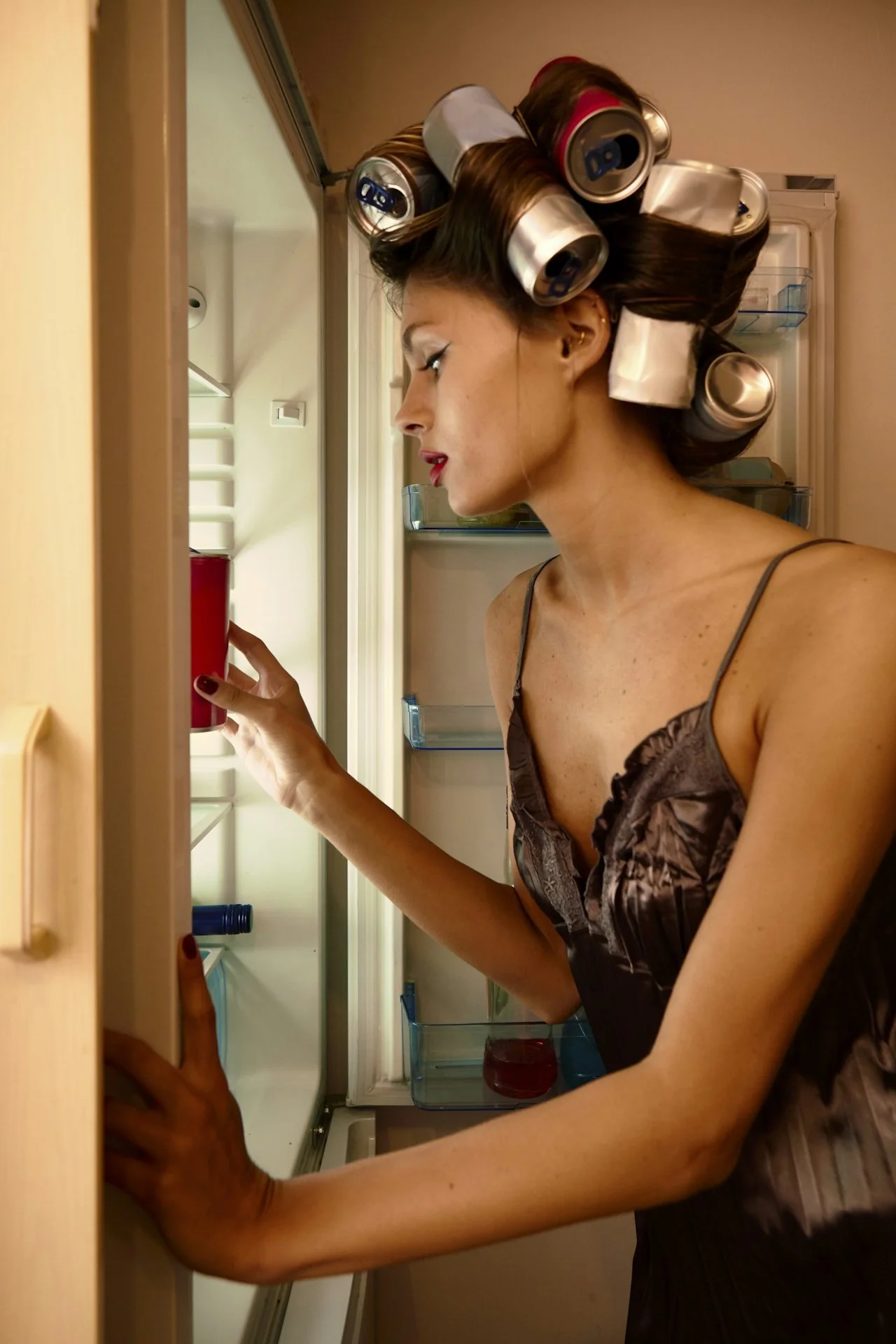
Masking can look like rehearsing conversations in the shower, scripting small talk, or strategically timing eye contact like it’s a chess move. Many women suppress stimming, tone down passions, or play the role of “chill, agreeable, low-maintenance human” even when their nervous system is screaming.
It’s not deception. It’s survival.
Masking also shows up in how autistic women curate their interests. Passion gets downsized to “quirky hobby,” info-dumps get trimmed into bite-sized fun facts, and enthusiasm gets filtered through a mental “don’t be too intense” warning system. Many learn to compress their inner world into socially digestible soundbites, even when their brain is bursting with connections, theories, and feelings.
It can also influence communication style in subtle ways—like forcing yourself to smile when confused, laughing when you didn’t quite get the joke, or nodding along to avoid asking for clarification (again). Over time, this can create a pattern where women appear socially fluent while quietly missing information, misreading cues, or feeling perpetually one step behind the conversation.
And then there’s sensory masking: pretending the lights aren’t blinding, the restaurant isn’t deafening, the fabric isn’t unbearable, or the perfume cloud isn’t actively attacking your nervous system. Many women learn to tolerate discomfort in silence because reacting would make them seem “difficult.” The cost of that silence, though, often shows up later as shutdowns, meltdowns, or chronic fatigue.
Common Masking Behaviors in Autistic Women
Avoiding Eye Contact: Choosing limited or casual eye contact as a way to lower social stress.
Over-Preparing for Social Situations: Writing out or mentally scripting conversations, then following that script to get through interactions.
Hiding Stimming Behaviors: Suppressing physical self-soothing actions like tapping, rocking, or fidgeting to fit expected social norms.
Noticing these signs—especially when they come with chronic fatigue or anxiety—can help friends, clinicians, and communities respond with more understanding and practical support.
Another common masking behavior is mirroring personality traits of the people around you. Many autistic women subconsciously adopt speech patterns, humor styles, and even opinions to blend in with different social groups. It can feel like having multiple “social profiles” that auto-load depending on who you’re talking to—efficient, but deeply exhausting.
Masking can also involve suppressing needs in professional or academic settings. Skipping breaks, forcing yourself to stay in overwhelming environments, or pushing through sensory overload to appear competent and reliable are common. From the outside, this looks like dedication and resilience. Internally, it often feels like running a marathon on a glitching operating system.
There’s also the habit of over-explaining or self-monitoring to preempt misunderstanding. Many women carefully edit their tone, add disclaimers, or soften statements to avoid being perceived as blunt, emotional, or “too much.” This constant self-policing can chip away at spontaneity and make communication feel more like diplomacy than conversation.
The Mental Health Cost of “Passing as Normal”
Masking is effective. It’s also exhausting. Long-term masking is linked to anxiety, depression, and identity confusion—because it’s hard to know who you are when you’re always editing yourself.
Autistic Burnout: When Your Brain Hits the Shutdown Button
Autistic burnout isn’t just “I’m tired.” It’s physical, emotional, and cognitive shutdown after years of pushing past limits. Think brain fog, sensory overload, and zero executive function—like your operating system just went into safe mode.
Anxiety, Depression, and the Identity Question
Many autistic women grow up believing they’re “too much,” “too weird,” or “too sensitive.” Masking becomes a shield, but over time, it can create a disconnect between the public version of you and the private one. That gap can feel lonely—even when you’re surrounded by people.
Masking can also quietly distort how women interpret their own capacity. When you’re constantly performing, it’s easy to assume everyone else is operating at the same intensity—so you blame yourself for feeling depleted. This can lead to chronic self-doubt, perfectionism, and the belief that rest is something you have to earn rather than something your nervous system legitimately requires.
There’s also a grief component that many women don’t talk about. Realizing you’ve spent decades adapting to a world that wasn’t built for your brain can trigger sadness, anger, and a sense of lost time. That emotional processing is valid and often necessary, especially when reframing past experiences through a neurodivergent lens.
Finally, long-term masking can affect relationships. When people only see the curated version of you, it can be hard to feel truly seen or understood. Some women describe feeling like they’re emotionally “behind glass”—present, likable, but not fully known. Unmasking, even in small ways, can be a powerful step toward deeper connection and self-trust.
Why So Many Women Get Diagnosed Late (The Female Autism Plot Twist)
Autism research historically focused on boys. So diagnostic criteria were built around how boys present autism—leaving many women invisible.
IT WASN’T ADDED TO THE DMS-5 (AKA THE HOLY GRAIL OF MENTAL HEALTH) UNTIL MAY OF 2013!!!
Reasons for Late Diagnosis
Male-biased diagnostic models: Female presentations often don’t match the classic stereotypes.
Social conditioning: Girls are taught to be polite, agreeable, and socially aware—aka professional maskers.
Lack of awareness: Even clinicians may miss autism in high-achieving, socially capable women.
In other words: women didn’t suddenly become more autistic in adulthood. The system just finally caught up.
Another factor is how autism in women often gets mislabeled as something else. Many autistic women are first diagnosed with anxiety, depression, bipolar disorder, borderline personality disorder, or eating disorders—sometimes accurately, sometimes as a catch-all for traits clinicians don’t recognize as neurodivergent. These diagnoses can be helpful, but they often miss the underlying autistic framework, delaying proper support and self-understanding.
High achievement can also work against diagnosis. Women who excel academically, professionally, or socially are often assumed to be “too successful” to be autistic, as if competence cancels out neurodevelopmental differences. This stereotype ignores the reality that many autistic women succeed because they overcompensate—through extreme organization, masking, and self-pressure.
Cultural expectations play a role too. In many families and communities, girls are expected to be quiet, helpful, and emotionally intuitive. Autistic traits that might stand out in boys—like social withdrawal or intense interests—are often normalized or even praised in girls, further hiding signs that might otherwise trigger evaluation. The result is a generation of women who figured out they were autistic long after they’d already built an entire life around coping.
The Female Autism Phenotype (Not Subtle, Just Underestimated)
Autistic women often have strong imitation skills, intense internal worlds, and a deep desire for connection—traits that can hide autistic traits from the outside. The “female autism phenotype” includes more camouflaging and compensating, which makes many women look socially fluent while silently burning out.
The female autism phenotype often includes highly internalized traits—rumination, vivid imagination, pattern-based thinking, and deep emotional processing that rarely gets recognized as autistic because it doesn’t look disruptive from the outside. Instead of external meltdowns, many women internalize distress, leading to shutdowns, anxiety spirals, or psychosomatic symptoms that are easier to mislabel than to trace back to neurodivergence.
Many autistic women also develop what researchers call “compensatory strategies”—building systems, routines, and scripts to offset executive function challenges. This can look like hyper-organization, perfectionism, or extreme self-discipline. From the outside, it reads as Type A or high-functioning; internally, it’s often a scaffolding holding up a nervous system that’s constantly negotiating overload.
Social motivation can further complicate recognition. Autistic women are often deeply interested in relationships, empathy, and connection, which contradicts outdated stereotypes about autism and social disinterest. This desire to connect can fuel masking and imitation, making traits less visible while increasing emotional labor and burnout risk.
Unmasking: How to Be Yourself Without Nuking Your Life
Unmasking doesn’t mean quitting your job and announcing your stims at Thanksgiving dinner (unless you want to). It means slowly letting yourself exist more honestly.
Practical Ways to Unmask Safely
Create safe spaces: With people who don’t treat your quirks like a personality flaw.
Start small: Drop one social script. Stim openly at home. Say no without a three-paragraph explanation.
Find your people: Other autistic humans are often wildly validating.
Unmasking is less about a dramatic personality reveal and more about micro-adjustments that add up to real relief. It can be choosing clothes for sensory comfort instead of aesthetics, opting out of draining social obligations, or allowing yourself to communicate directly instead of wrapping everything in social padding. Tiny shifts can create huge nervous-system wins.
It can also involve renegotiating expectations—your own and other people’s. Many autistic women are used to being the reliable one, the emotional translator, the group organizer. Unmasking might mean letting some of those roles soften. Not because you’re incapable, but because you’re allowed to distribute emotional labor like a normal mammal and not a human Swiss Army knife.
And yes, unmasking can be messy. You might grieve the years spent performing, feel awkward experimenting with authenticity, or worry about how others will react. That’s normal. Unmasking is not a personality overhaul—it’s a slow recalibration toward a version of you that doesn’t require constant self-editing to be socially acceptable.
Therapy, Community, and Support (Because You’re Not Meant to Do This Alone)
Neurodivergent-affirming therapy, support groups, and online communities can help you understand your brain without trying to “fix” it. The goal isn’t to become less autistic. It’s to become more you.
Working with a neurodivergent-affirming therapist can be especially powerful because it reframes challenges as differences, not defects. Instead of teaching you to “blend in better,” good therapy focuses on sensory regulation, boundary-setting, energy management, and self-compassion. It’s less “act normal” and more “build a life that fits your nervous system.”
Community can be just as therapeutic as formal treatment. Finding other autistic women—online or offline—often creates that “wait, you do that too?!” moment that rewrites years of self-blame. Shared language, memes, research, and lived experience can validate traits that were once framed as personal failures.
Support also means practical accommodations and allies in everyday life. That might look like flexible work arrangements, sensory-friendly environments, understanding partners and friends, or digital tools that reduce cognitive load. You’re not meant to brute-force existence alone; you’re meant to co-design it with supports that make thriving possible.
This FB group FYI has been a LIFESAVER: https://www.facebook.com/groups/798569997635760
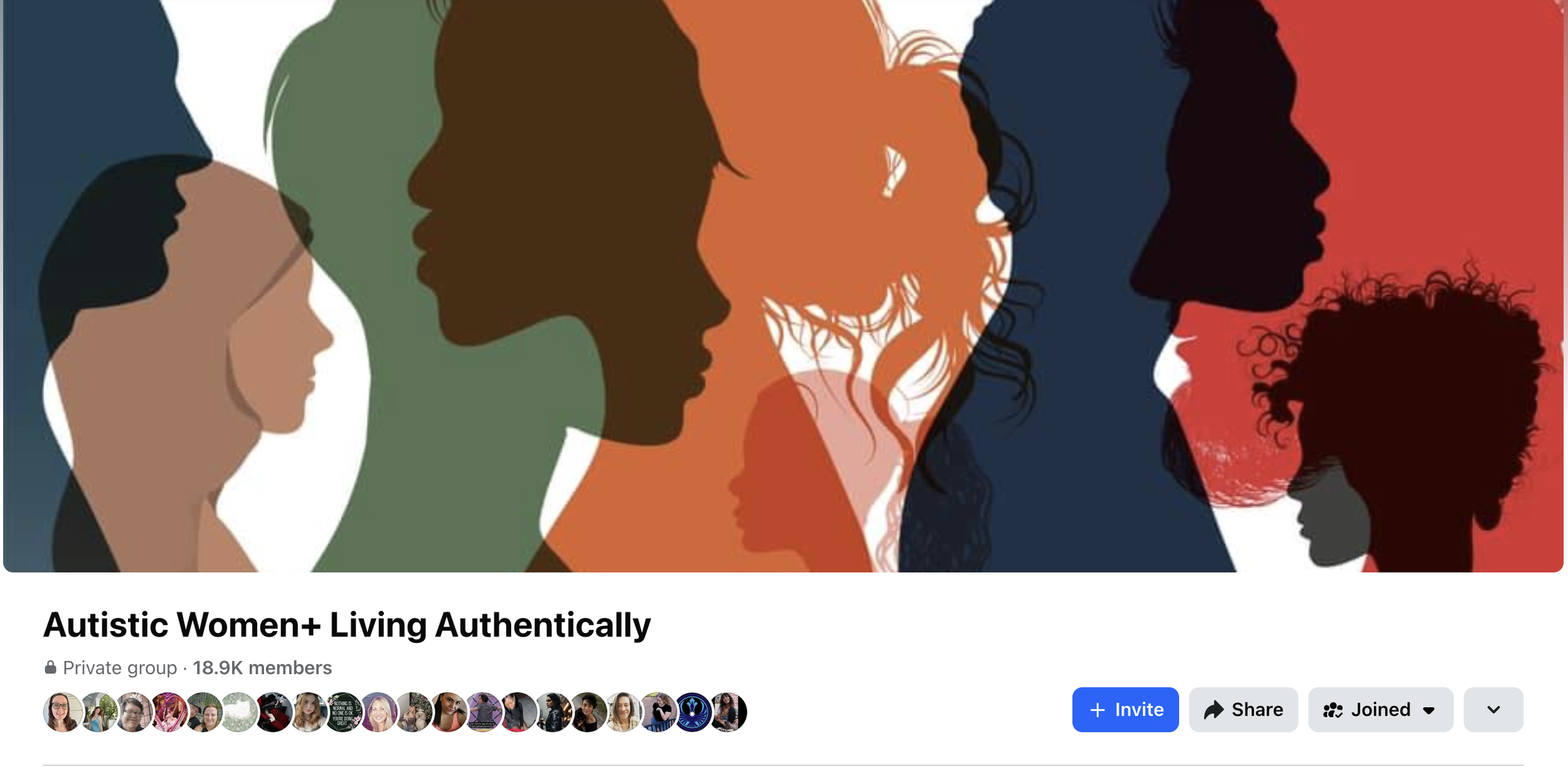
REMEMBER: Authenticity is not a liability … It’s a power source.
High masking autism in women is not a character flaw—it’s a response to a world that rewards conformity. Understanding masking, burnout, and the female autism phenotype helps shift the narrative from “Why am I like this?” to “Oh. This makes sense.”
Unmasking isn’t about becoming someone new. It’s about meeting the person you’ve been carefully editing out of the frame.
When you stop performing and start existing, you reclaim energy, clarity, and joy that was tied up in managing optics. The world doesn’t need a perfectly polished version of you—it needs your perspective, your patterns, your way of seeing connections other people miss.
Unmasking is an act of self-trust. It’s choosing comfort over compliance, honesty over invisibility, and alignment over applause. Every time you stim openly, set a boundary, or admit you need something different, you’re quietly rewriting what success and normalcy can look like for neurodivergent women everywhere.
And here’s the truth: you were never too much, too weird, too sensitive, or too intense. You were too unsupported. Meeting your unmasked self isn’t a downgrade—it’s a homecoming.
