Autism, ADHD, and the Bigger Butt Myth: Why Our Bums Can Look Different
#TalkNerdyToMe® Staff Writer
Do neurodivergent people actually have bigger butts … and more importantly can they lie about it ?? (corny millennial joke)

Have you ever suddenly realized you’ve been sitting in the same position for three hours… because something finally started hurting?
That moment isn’t laziness or bad posture. It’s often about body awareness. Many autistic and ADHD adults experience differences in proprioception (knowing where your body is in space) and interoception (noticing internal signals like hunger, tension, or fatigue). In everyday life, this doesn’t feel clinical—it feels like forgetting your body exists until it demands attention.
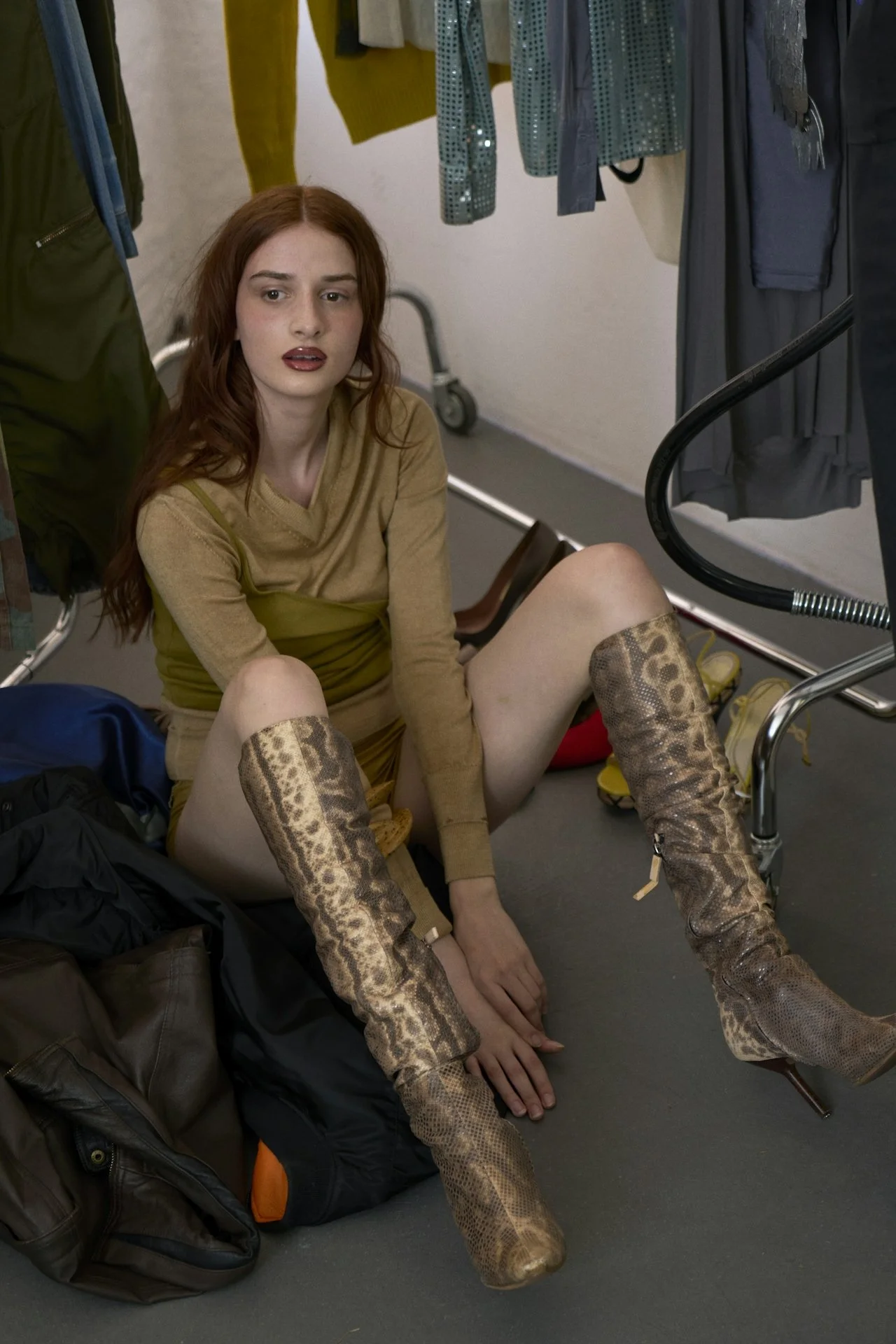
When those signals are delayed or fuzzy, the body stops making constant, unconscious adjustments. Instead of shifting naturally throughout the day, it settles into one position and stays there.
That often means:
* Sitting or standing the same way for hours
* Leaning more on one hip without realizing it
* Certain muscles quietly taking over for others
* Stabilizing muscles doing extra work all day long
Interoceptive differences make this even harder. You might not notice when you’re tense, slouched, or overdue for a stretch until the discomfort is intense—or unavoidable.
Over time, the body adapts to this. The hips and glutes often end up doing more stabilizing simply because they’re the muscles keeping everything upright. This isn’t about looks or vanity—it’s a nervous system workaround. But the physical changes that come from it are real.
Stimming, Fidgeting, and Muscles That Never Quite Clock Out
If you’ve ever been told to “stop fidgeting” and genuinely couldn’t figure out how, this part is for you.
For many autistic and ADHD adults, movement isn’t a habit—it’s regulation. The body moves to stay focused, calm, or mentally organized, often without any conscious decision to do so. What looks like restlessness on the outside is actually a nervous system doing its job. And when that movement happens all day, every day, the body starts adapting to it.
A lot of autistic and ADHD adults regulate stress and focus through movement—often without thinking about it.
Things like:
Bouncing a leg
Rocking your hips
Standing with all your weight on one side
Pacing while thinking
Clenching muscles when you’re deeply focused
Individually, these movements seem tiny. But when they happen every day, for years, they add up. Muscles that are constantly engaging—especially in the hips and glutes—get stronger and more defined simply because they’re always working. It’s basically accidental strength training. No gym membership required. This is why some neurodivergent people notice muscle tone or shape changes in places they never intentionally trained. Their bodies have been practicing these movements for a very long time.
Sleep Positions, Sensory Comfort, and Quiet Long-Term Change
What your body does while you’re asleep matters more than most people think.
Sleep isn’t just rest—it’s eight hours of repeated positioning, pressure, and muscle engagement every single night. For neurodivergent people with strong sensory preferences, those patterns tend to be consistent. And when a body chooses the same positions night after night, it adapts to them.
Many neurodivergent people have very specific sensory needs around sleep, like:
Sleeping on their side (sometimes only one side)
Using weighted blankets or body pillows
Feeling uncomfortable or disoriented sleeping on their back
Carrying a lot of tension in the hips or lower body
Side-sleeping for eight hours a night puts consistent pressure on the hips and glutes. Over years, that pressure can:
Strengthen muscles on one side
Influence how fat is distributed
Reinforce posture patterns that show up during the day
When your sleep posture and daytime posture match, the effects stack. Slowly, quietly, and visibly.
Trauma, Chronic Stress, and the Body Staying on Guard

Living for years without understanding your own nervous system changes how a body holds itself.
Late-diagnosed autistic and ADHD adults often spend decades pushing through confusion, overwhelm, and social strain. That kind of long-term stress doesn’t disappear when you clock out—it settles into posture, muscle tension, and movement patterns.
Many late-diagnosed autistic and ADHD adults spend years in survival mode without knowing why.
That often includes:
Social rejection or feeling “off” everywhere
Chronic burnout
Masking constantly
Sensory overload with no language for it
Internalized shame
Stress and trauma don’t just live in the mind—they live in the body. A lot of people hold that tension in the hips and lower back, which can show up as:
A forward-tilted pelvis
Tight hip flexors
Constant glute clenching
Changes in how you walk
Somatic and trauma-informed therapies recognize this pattern well. In this context, body changes aren’t aesthetic—they’re protective. The body learned what it needed to do to feel safer.
Hormones, PCOS, and Why Neurodivergent Women Notice More

For many neurodivergent women, body changes don’t come out of nowhere—they come with a long list of unanswered questions.
Autistic and ADHD women and AFAB individuals experience higher rates of hormonal conditions like PCOS, yet those connections are often overlooked or dismissed. When hormones enter the picture, they don’t act alone. They interact with stress, movement, and posture in ways that can quietly reshape the body over time.
PCOS can affect:
Insulin sensitivity
Hormonal balance
Inflammation
Where the body tends to store fat
When hormonal factors overlap with stress, posture differences, and movement patterns, the effects can compound. This helps explain why many neurodivergent women become especially aware of changes in their hips, thighs, and lower body—even without significant weight gain.
Movement Avoidance and the Body Compensating

When movement feels inaccessible, the body doesn’t stop working—it adapts.
Many autistic and ADHD adults move less not because they want to, but because exercise environments trigger sensory overload, anxiety, or executive dysfunction. The result isn’t immediate weakness, but gradual changes in how muscles share the workload. Over time, less movement can lead to deconditioning, especially in the core.
When the core gets weaker, the body shifts the workload elsewhere:
Hips and glutes step in for stability
Pelvic tilt increases
The lower body looks more prominent
This isn’t about gaining weight. It’s about how effort gets redistributed.
Clothing, Sensory Comfort, and Posture You Don’t Notice
Clothes are supposed to be comfortable, right? For many autistic and ADHD adults, “comfortable” often means loose, soft, and unstructured. But while those fabrics feel amazing, they also give your body less feedback about how you’re standing or sitting. Over time, your posture drifts… and you barely notice.
Without gentle pressure or structure reminding your body where it is in space, it’s easier for posture to drift and harder to notice when it does. Over time, those positions just feel “normal.”
Burnout Cycles and Body Changes
Burnout isn’t just mental—it leaves a mark on the body too.
For many autistic and ADHD adults, energy comes in waves. There are high-functioning phases packed with tension and overexertion, crash phases where movement is minimal, and recovery phases that don’t always restore strength fully.
Burnout often comes in waves:
High-functioning phases full of tension and overexertion
Crash phases with lots of rest and very little movement
Recovery phases that may not fully rebuild strength
These cycles affect the body differently than steady routines. Energy storage, muscle engagement, and fat distribution shift in response—often settling in hormonally sensitive areas like the hips and thighs.
Gait, Biomechanics, and How You Move Through the World
Your hips have been listening all along.
Autistic people often have subtle differences in how they walk—stride length, speed, arm swing, weight distribution. Over years, those differences change how the hips and glutes engage during everyday movement.
This isn’t about having a certain “body type.” It’s biomechanics doing what biomechanics does.
Eating Patterns, Sensory Needs, and Metabolic Adaptation

Sensory sensitivities can also affect eating—limited food choices, inconsistent meals, difficulty noticing hunger. When intake is unpredictable, the body adapts by storing energy more efficiently when it can. That energy often lands in hormonally influenced areas.
Again, adaptation—not destiny.
What’s Really Going On

There’s no single cause and no gene that creates a “neurodivergent body shape.”
What people are noticing is the long-term result of:
How posture is managed (or not noticed)
Repetitive movement and stimming
Sleep habits
Stress and trauma
Hormones
Deconditioning and compensation
Gait differences
Sensory-informed eating patterns
Put together, these explain why the experience feels real—without turning bodies into myths.
Supporting Neurodivergent Bodies (Without Trying to Fix Them)
Understanding this opens the door to support, not self-criticism:
Gentle, body-aware movement instead of punishing workouts
Nervous system regulation
Learning to notice internal cues again
Sensory-safe ways to move
Nutrition that works with executive function and sensory needs
The goal isn’t to change neurodivergent bodies.
It’s to understand how incredibly well they’ve adapted.
Your body isn’t a symptom.
Your shape isn’t a diagnosis.
But understanding why your body looks and feels the way it does? That kind of clarity can be powerful.
