Why the Grocery Store Feels Like a War Zone: The Neuroscience of Sensory Processing Disorder in Adults
TLDR: For individuals with neurodivergence, sensory disorder in adults is not a behavioral issue—it is a neurological difference in how the brain processes environmental stimuli. Research shows that sensory issues in autism and ADHD stem from altered neural connectivity and sensory gating dysfunction. When the brain cannot filter out irrelevant sensory input, everyday environments like grocery stores or open-plan offices trigger a profound physiological stress response known as sensory overload.
#TalkNerdyToMe® Staff Writer
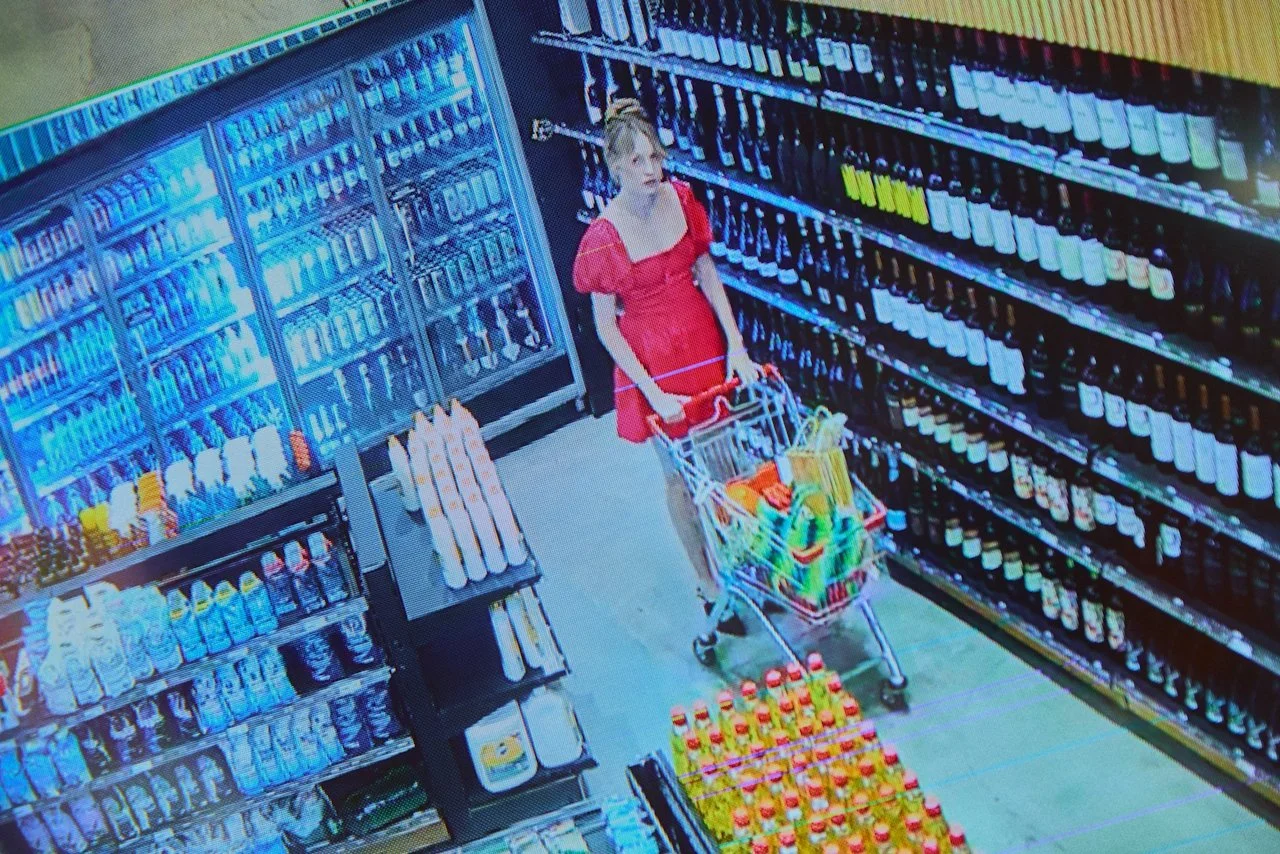
You are standing in the middle of the grocery store aisle, staring at a wall of cereal boxes. The fluorescent lights above you are not just bright; they are buzzing with a high-pitched hum that feels like it is vibrating inside your teeth. The music playing over the speakers is clashing with the sound of a shopping cart with a squeaky wheel three aisles over. Someone walks past you wearing a perfume that smells so intensely of synthetic vanilla that you can literally taste it.

You came here for milk and eggs, but suddenly, your heart is racing. Your chest feels tight. You cannot remember what you are looking for. You feel an overwhelming, desperate urge to drop your basket and run out the automatic doors.
For years, you have probably told yourself that you are just "sensitive." You have probably been told by others that you need to "toughen up," or that you are overreacting, or that you are just dealing with anxiety.
But what if your reaction to the grocery store is not an overreaction at all? What if your brain is literally receiving ten times more data from that environment than a neurotypical brain?
Welcome to the reality of sensory disorder in adults. Your brain is not broken, and you are not being dramatic. You are simply operating a nervous system that processes the world without a filter.
The Science: What Is Sensory Processing Disorder?
To understand sensory processing disorder (SPD), we first have to understand how a neurotypical brain handles sensory information.
Every second of every day, your body is bombarded with sensory data. Sight, sound, smell, taste, and touch are the famous five, but your nervous system is also processing proprioception (where your body is in space), vestibular input (balance and movement), and interoception (internal bodily sensations like hunger or a racing heart).
In a neurotypical brain, a neurological mechanism called "sensory gating" acts as a bouncer at the door of a nightclub. The bouncer looks at the buzzing fluorescent light, decides it is not important, and denies it entry to your conscious awareness. The bouncer looks at the squeaky shopping cart, decides it is not a threat, and filters it out. This allows the neurotypical person to focus entirely on picking out the right box of cereal.
But in a brain with sensory processing differences, the bouncer is asleep on the job.
Every single piece of sensory data—the lights, the hum, the perfume, the squeak, the temperature of the air, the feeling of the tag on the back of your shirt—is granted VIP access directly to your conscious awareness. Your brain is forced to process all of it, all at once, with the exact same level of intensity and importance .
This is not a psychological preference. This is a measurable, physiological difference in neural connectivity.
The Autism Connection: Sensory Issues in Autism
While sensory processing differences can exist entirely on their own, they are incredibly common in the neurodivergent community. In fact, sensory issues in autism are so prevalent that hyper- or hypo-reactivity to sensory input is now officially included in the DSM-5 diagnostic criteria for Autism Spectrum Disorder (ASD) .
For autistic adults, sensory processing differences are often the most exhausting part of navigating a neurotypical world. Research published in the Journal of Autism and Developmental Disorders indicates that altered neural pathways in the autistic brain lead to atypical sensory modulation .
This means that the autistic brain does not just experience sensory input differently; it physically wires itself differently to handle that input. Functional MRI studies have shown that when individuals with sensory processing differences are exposed to aversive stimuli (like a scratchy fabric or a loud noise), their brains show significantly higher activation in the amygdala—the brain's threat-detection center—compared to neurotypical control groups .
When an autistic adult experiences sensory overload, they are not throwing a tantrum. Their amygdala has literally hijacked their nervous system, triggering a full-blown fight-or-flight survival response to a stimulus that a neurotypical brain automatically filtered out.
The Three Faces of Sensory Processing Differences
Sensory disorder in adults does not look the same for everyone. It is a highly individualized neurological profile that generally falls into three main categories. And yes, you can absolutely experience a chaotic mix of all three.
1. Sensory Over-Responsivity (The Avoider)
This is the most commonly recognized form of SPD. If you have sensory over-responsivity, your nervous system is on a hair-trigger. A normal amount of sensory input feels like an aggressive attack.
•What it looks like: You cut the tags out of all your clothes. You cannot tolerate the texture of certain foods (like yogurt or mushrooms). You wear noise-canceling headphones in the office. You feel physically enraged by the sound of someone chewing. You avoid crowded places because the visual and auditory noise is physically painful.
2. Sensory Under-Responsivity (The Disconnected)
If you have sensory under-responsivity, your nervous system requires a massive amount of input before it registers a signal. The volume is turned down so low that your brain struggles to hear what your body is telling it.
•What it looks like: You have an incredibly high pain tolerance. You do not notice when you are freezing cold or burning hot. You frequently bump into doorframes or trip over flat surfaces because your proprioceptive system is not sending accurate location data to your brain. You might not realize you are hungry until you are dizzy and shaking.
3. Sensory Craving (The Seeker)
Sensory seekers have a nervous system that is desperately hungry for input. They need intense, constant stimulation to feel regulated and grounded in their bodies.
•What it looks like: You constantly fidget, bounce your leg, or pace. You love incredibly spicy or intensely sour foods. You listen to music at maximum volume. You seek out deep pressure, like tight hugs or weighted blankets. You might engage in thrill-seeking behaviors just to feel a sense of neurological baseline.
The Lived Experience: Masking and Adult SPD
One of the most insidious aspects of sensory disorder in adults is that it is almost entirely invisible.
When a child experiences sensory overload, they might cover their ears, scream, or hide under a table. When an adult experiences sensory overload, they have usually spent decades learning how to mask their discomfort to survive in a society that does not accommodate sensory differences.
You sit through the three-hour meeting in the freezing conference room with the flickering lights, nodding and taking notes, while your nervous system is screaming at you to escape. You force yourself to eat the texture-heavy meal at the dinner party so you do not seem rude. You endure the loud, crowded bar because you want to maintain your friendships.
But masking comes at a profound biological cost.
When you force your brain to process overwhelming sensory data while simultaneously suppressing your natural stress response, you burn through your neurological energy reserves at an astonishing rate. This is why you might come home from a "normal" day at the office and immediately collapse into bed, completely non-verbal and unable to make a decision about what to eat for dinner.
This is not laziness. This is sensory exhaustion. Your brain has been running a marathon while everyone else was taking a stroll.
The Neuroscience of Sensory Gating: Why You Cannot "Just Ignore It"
When someone tells you to "just ignore" the buzzing light or the scratchy tag, they are fundamentally misunderstanding how your brain works. They are assuming your brain has the same filtering software as theirs.
In neurotypical brains, a process called sensory gating happens automatically. When a repetitive or irrelevant stimulus is introduced (like the hum of a refrigerator), the brain registers it the first time. But by the second or third time, the brain suppresses its neurological response. It essentially says, "We have seen this, it is not a threat, stop sending the signal to the conscious mind." This is measured in research using something called the P50 or N100 suppression test .
But in brains with sensory processing differences, this suppression does not happen.
Research shows that adults with sensory over-responsivity exhibit significantly less efficient sensory gating. When the refrigerator hums for the fiftieth time, your brain reacts with the exact same intensity as it did the first time. Your neurological alarm bells are constantly ringing. You cannot "just ignore it" because your brain is physically incapable of turning off the alarm.
This constant state of high alert floods your system with cortisol and adrenaline. Your body is reacting as if you are in physical danger, which explains why sensory overload so often mimics a panic attack. It is not anxiety; it is a neurological traffic jam.
The Link Between Sensory Processing and Executive Dysfunction
If you have ADHD or autism, you are likely intimately familiar with executive dysfunction—the inability to plan, organize, initiate tasks, or regulate your emotions. But what most people do not realize is how deeply executive dysfunction is tied to sensory processing.
Your brain has a limited amount of processing power. Think of it like a computer's RAM. When your sensory gating is broken, a massive amount of your brain's RAM is being used just to process the environment. You are using processing power to deal with the temperature of the room, the brightness of the screen, the sound of your coworker breathing, and the feeling of your socks.
By the time you actually try to use your executive functions to write an email or organize a spreadsheet, your RAM is completely maxed out. The system crashes.
This is why you might find that you can focus perfectly well at 11:00 PM when the house is completely silent and dark, but you cannot string a sentence together at 2:00 PM in a busy office. Your executive dysfunction is not a lack of willpower; it is a lack of available neurological bandwidth.
The Social Cost of Sensory Differences

The impact of sensory disorder in adults extends far beyond the physical discomfort of loud noises or bright lights. It fundamentally alters how you interact with the world and the people in it.
Because sensory processing differences are invisible, the coping mechanisms you use to survive are often misinterpreted by neurotypical people as character flaws.
When you decline an invitation to a crowded restaurant because you know the acoustics will trigger a migraine, you are labeled "anti-social" or "flaky." When you physically flinch or pull away from an unexpected hug because your tactile system is over-responsive, you are labeled "cold" or "standoffish." When you wear sunglasses indoors or noise-canceling headphones at your desk, you are labeled "unapproachable."
This constant misinterpretation leads to a profound sense of isolation. You are forced to choose between protecting your nervous system and participating in neurotypical social rituals.
For many adults, the desire for connection wins out, leading to chronic masking. You force yourself into the loud restaurant. You endure the unexpected hugs. You leave the headphones in your bag. But the cost of this masking is severe. It leads to autistic burnout—a state of profound physical, mental, and emotional exhaustion that can take months or even years to recover from.
The Proprioceptive Puzzle: Why You Are So Clumsy
While over-responsivity to sound and light gets the most attention, we cannot ignore the hidden senses, particularly proprioception.
Proprioception is your body's internal map. It relies on receptors in your muscles and joints to tell your brain exactly where your limbs are in space without you having to look at them.
In many adults with sensory processing differences, this internal map is glitchy. The receptors do not send strong enough signals to the brain.
This explains the classic "neurodivergent clumsiness." You walk into doorframes. You misjudge the distance to the table and knock over your water glass. You trip over flat surfaces. You are not careless or inattentive; your brain literally miscalculated the location of your shoulder relative to the doorframe because it was working with bad GPS data.
This is also why many neurodivergent adults are sensory seekers when it comes to deep pressure. When you sit on your foot, wrap your legs around the chair rungs, or sleep under a 15-pound weighted blanket, you are compressing your joints. That compression forces the proprioceptive receptors to fire a loud, clear signal to your brain: "We are here!" You are self-medicating your glitchy internal map with physical pressure.
The Hormonal Impact on Sensory Processing
If you are a woman or someone who menstruates, you have likely noticed that your sensory sensitivities are not static. They fluctuate wildly throughout the month.
This is not in your head. Estrogen and progesterone have a profound impact on neurotransmitter function and sensory processing.
In the luteal phase (the week before your period), estrogen levels drop and progesterone rises. This hormonal shift can significantly lower your sensory threshold. The fluorescent lights that were merely annoying last week are suddenly physically painful. The fabric of your favorite shirt suddenly feels like sandpaper. The sound of your partner chewing makes you want to scream.
Understanding this hormonal interplay is crucial for managing sensory disorder in adults. It allows you to anticipate your low-threshold days and proactively adjust your sensory diet. You are not losing your mind; you are experiencing the intersection of endocrinology and neurology.
Reframing the Narrative: The Strengths of a Sensitive Brain
It is easy to view sensory processing differences purely as a deficit. After all, the world is loud, bright, and overwhelming, and your brain struggles to filter it out.
But an unfiltered brain is not just a liability; it is also a profound asset.
Because your brain takes in more data, you notice things that neurotypical people completely miss. You hear the subtle shift in someone's tone of voice that indicates they are upset before they even realize it themselves. You notice the tiny, beautiful details in a piece of music or a painting that others gloss over. You can experience deep, full-body joy from the perfect texture of a piece of velvet or the exact right temperature of a cup of tea.
Your nervous system is highly tuned. Yes, that means it picks up on the static and the noise. But it also means it picks up on the symphony.
The goal of managing sensory disorder in adults is not to numb your nervous system or force it to act neurotypical. The goal is to curate your environment so that you can minimize the static and maximize the symphony.
The Interoception Problem: When You Cannot Feel Your Own Body
We need to talk about the eighth sense: interoception.
Interoception is your brain's ability to perceive sensations inside your body. It is the system that tells you when your bladder is full, when your heart is racing, when you are thirsty, and when you are exhausted.
For many adults with sensory processing differences—particularly those with autism or ADHD—interoception is fundamentally dysregulated.
This is why you might work at your desk for seven hours straight without realizing you need to use the bathroom until it is an absolute emergency. This is why you might not realize you are stressed until you are having a full-blown panic attack. Your brain is so overwhelmed by the external sensory data (the lights, the sounds, the scratchy sweater) that it completely drops the signal from your internal sensory data.
When your interoceptive system is offline, you lose the ability to read your body's early warning signs. You do not get the "check engine" light; you just break down on the side of the highway.
Actionable Hacks: Managing the Unfiltered Brain
Understanding the neuroscience behind your sensory differences is validating, but validation does not turn down the volume of the grocery store. If you are navigating the world with an unfiltered nervous system, you have to stop trying to force your brain to act neurotypical and start accommodating your actual biology.
Here is how you hack the sensory experience:
1. Audit Your Sensory Diet
Just like you have a nutritional diet, you have a sensory diet. Start tracking your sensory input. What drains your battery? What recharges it? If you know you have to go to a visually and auditorily overwhelming environment (like a networking event), you need to balance that by reducing sensory input beforehand. Sit in a dark, quiet room for twenty minutes before you go. You cannot stop the bucket from filling, but you can empty it before you leave the house.
2. Weaponize Deep Pressure
If your nervous system is spiraling into fight-or-flight from sensory overload, deep pressure is the neurological override switch. Deep touch pressure stimulates the parasympathetic nervous system (the "rest and digest" system) and increases the release of serotonin and dopamine. Use a weighted blanket. Wear compression garments under your work clothes. If you are in public and feeling overwhelmed, cross your arms tightly and squeeze your own ribcage.
3. Normalize Sensory Tools for Adults
We accept that children need sensory tools, but somehow we expect adults to just "get over it." Stop doing that. Buy the high-fidelity earplugs that filter out background noise without blocking conversation. Wear sunglasses in the grocery store if the fluorescent lights hurt your brain. Cut the tags out of your clothes. Buy seamless socks. Your comfort is not a luxury; it is a neurological necessity.
4. Schedule Sensory Fasting
Your brain needs time to process the backlog of sensory data it collects throughout the day. Schedule intentional periods of "sensory fasting." This means zero input. No podcasts, no scrolling on your phone, no music, no talking. Just you, in a low-light environment, allowing your nervous system to finally power down the threat-detection center.
You Are Not "Too Sensitive"
Living with sensory disorder in adults is exhausting. It is exhausting to navigate a world that was built for nervous systems that automatically filter out the noise. It is exhausting to constantly explain why you cannot just "ignore" the buzzing light or the scratchy fabric.
But your sensitivity is not a character flaw. It is a biological reality.
Your brain is taking in more data, processing it more deeply, and feeling it more intensely than the people around you. That means the bad stuff is louder, yes. But it also means the good stuff—the exact right texture of a blanket, the perfect frequency of a song, the deep pressure of a hug from someone you love—is experienced with a profound, full-body intensity that neurotypical brains rarely get to feel.
You are not broken. You are not dramatic. You are operating a highly sensitive, incredibly complex biological machine.
Your body isn't a symptom. Sometimes, you just need to hack your environment.
Medical Disclaimer: This post is for educational purposes only and does not constitute medical advice. Sensory processing differences are complex and highly individualized. Always consult with a qualified healthcare professional or occupational therapist for personalized assessment and support.
